
Beyond the Office: Branded Apparel Built for Work and Everyday Wear
Apparel Became a Lifestyle Extension of Brand Identity
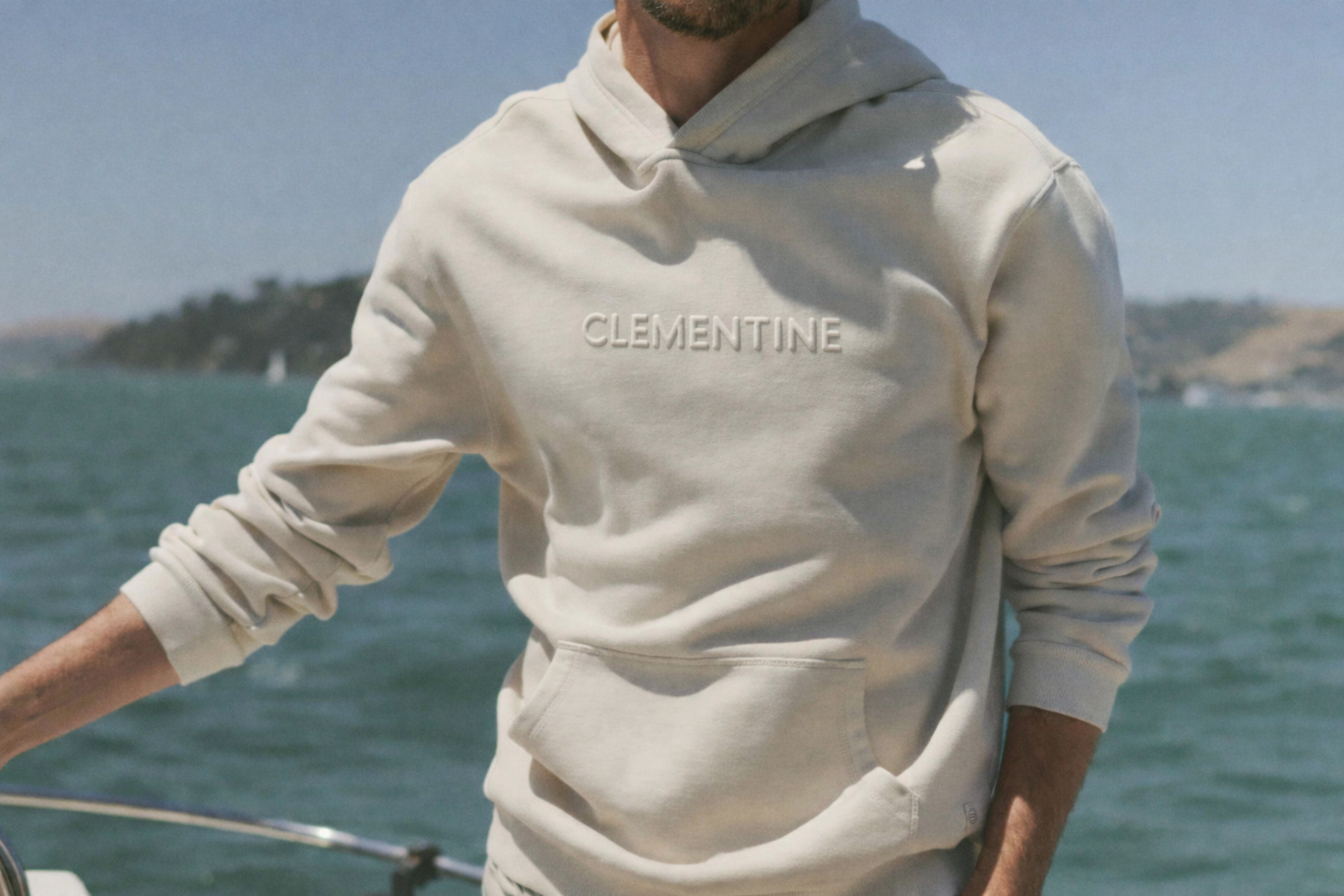
Branded apparel has evolved beyond traditional office uniforms and event T shirts into everyday lifestyle pieces. As workplace dress codes became more flexible and hybrid work environments expanded, apparel strategies shifted toward versatility. Brands began investing in apparel that employees and customers would choose to wear outside of work hours, creating more organic and authentic brand visibility.
Comfort and Versatility Are Driving Product Selection
Modern branded apparel is expected to perform across multiple environments. Employees want pieces they can wear during meetings, while traveling, running errands, or relaxing at home. This has increased demand for premium fabrics, modern fits, and layering friendly pieces. Apparel that transitions easily between professional and casual settings delivers stronger long term brand exposure.
Subtle Branding Is Replacing Logo Forward Design
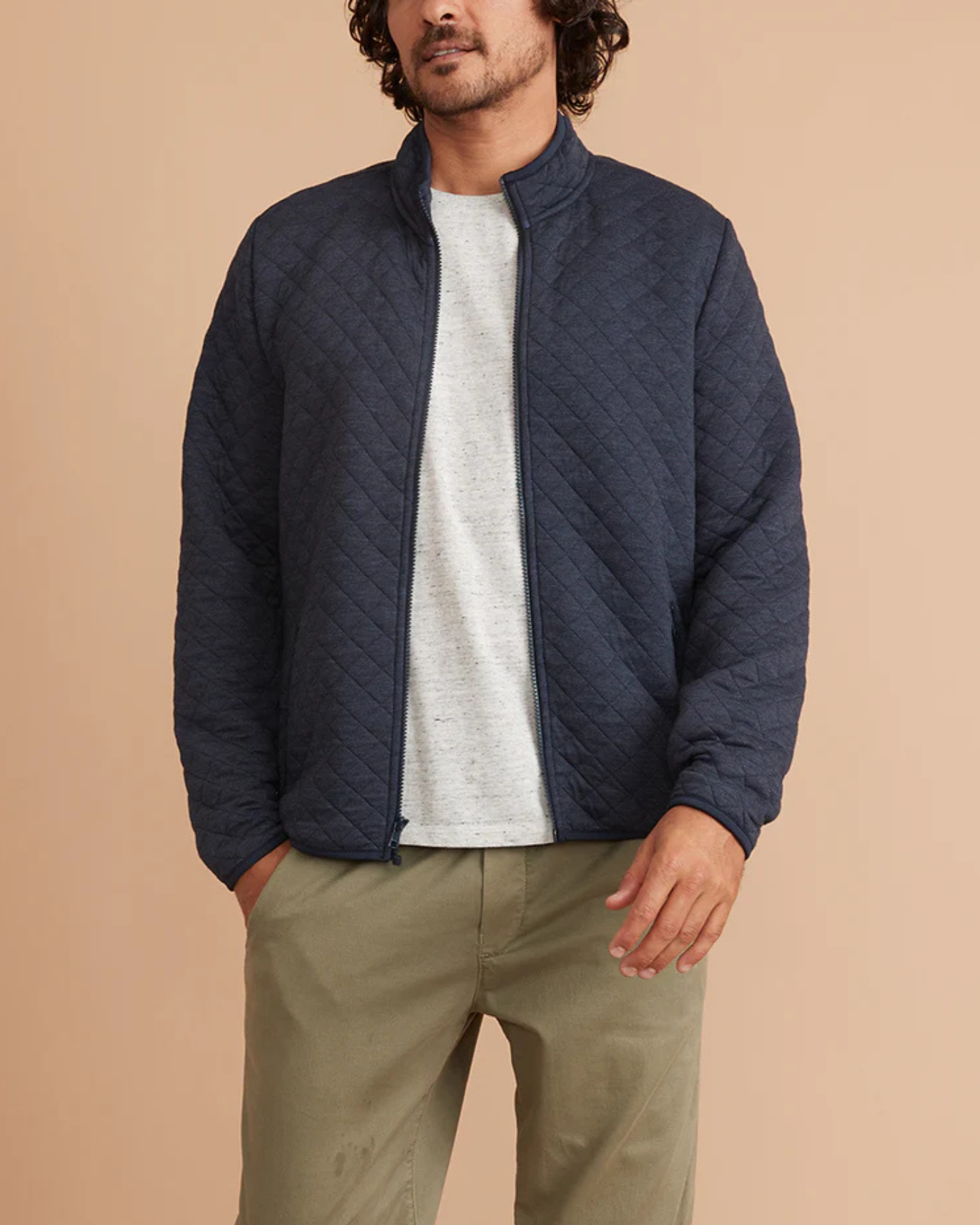
Large, highly visible logos are being replaced by more refined branding approaches. Embroidery, tonal decoration, and minimalist placements are becoming more common. This shift reflects broader fashion trends and increases the likelihood that apparel will be worn regularly. When branding feels elevated and intentional, apparel becomes part of a personal wardrobe rather than a promotional item.
Quality Construction Supports Brand Perception
The quality of branded apparel now directly influences how a brand is perceived. Durable stitching, soft hand feel fabrics, and strong color retention signal brand investment and attention to detail. Higher quality apparel tends to stay in use longer, improving cost per wear and strengthening brand association over time.
Employee Experience Is Influencing Apparel Strategy
Apparel is becoming a key part of employee experience programs. From onboarding apparel to milestone recognition pieces, brands are using clothing to build culture and belonging. When apparel feels stylish and wearable beyond work, employees are more likely to engage with and appreciate the product, increasing internal brand advocacy.
Sustainability Expectations Continue to Shape Apparel Programs
Responsible sourcing, recycled materials, and lower impact production methods are increasingly important in apparel decisions. Wearers want to feel confident about the environmental and ethical story behind the products they use. Brands that prioritize responsible manufacturing in apparel programs are seeing stronger engagement and trust from both employees and customers.
The Expanding Role of Apparel in Brand Storytelling
Apparel is becoming a long term storytelling channel rather than a one time campaign tool. The most successful brands are thinking about apparel collections seasonally and strategically, ensuring pieces complement each other and reflect evolving brand identity. When apparel feels intentional and consistent, it reinforces brand recognition across multiple touchpoints.
